Draft — visible only while you are signed in. Not published.
The booking conversation
The first reply that books: what a price list never says
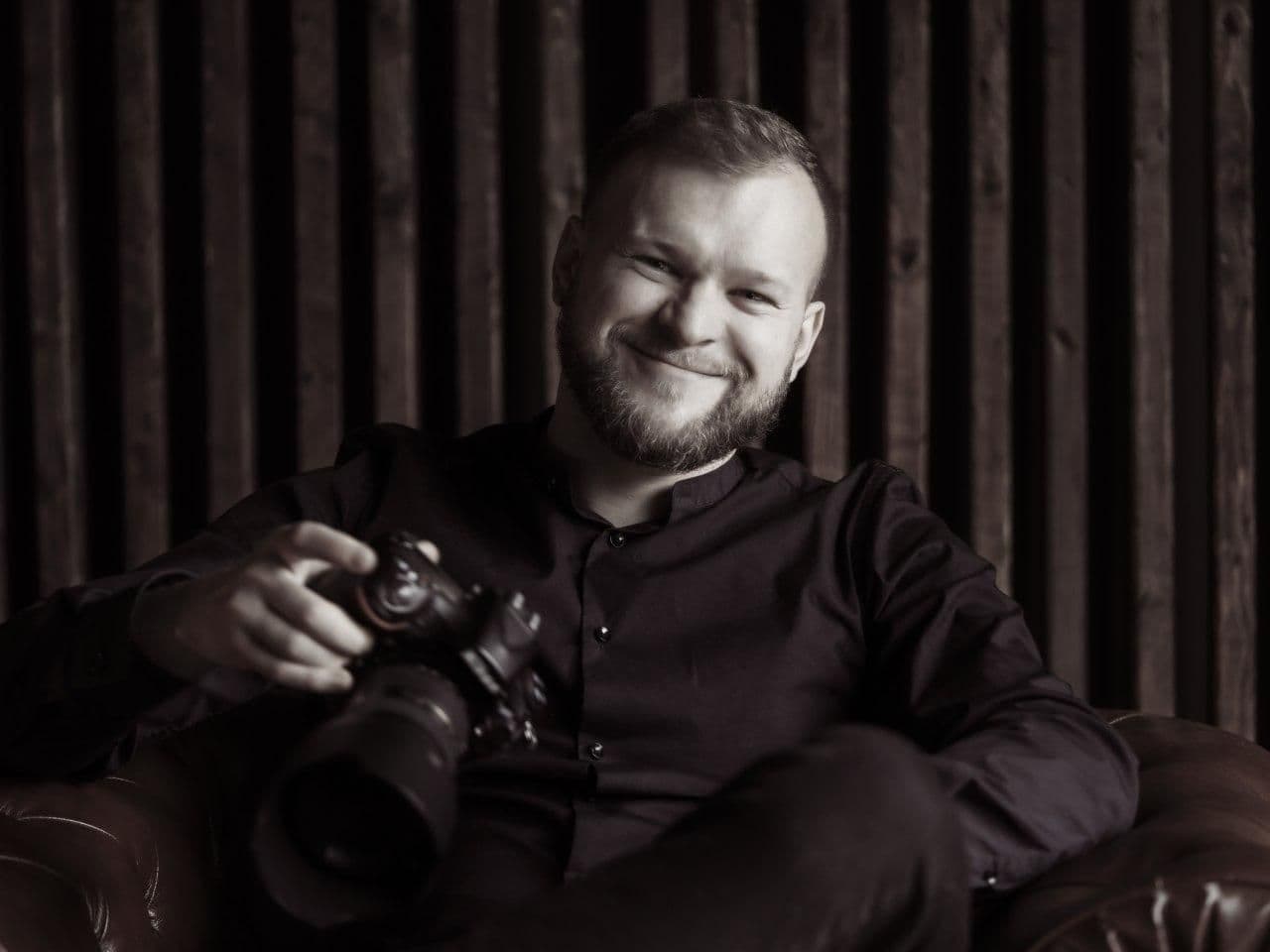
I can tell, almost immediately, when someone has been shopping from a price list. The note arrives with a date and a question about the number, and not much else. That is not a bad way to start. People are busy, and a wedding has a lot of moving parts. The trouble begins if I answer in the same language.
A price list can tell you that wedding coverage at my studio starts at $350 an hour. It cannot tell you whether I understood your day. It cannot tell you if that Saturday is still open. It cannot tell you what happens after you say yes, or how it feels to be photographed by someone who has been doing this for more than ten years. Those things live in the first reply. That is the message that either begins a booking or quietly ends one.
What I actually read first
When a request comes through the site, I am not looking for a perfect essay. The form asks for a name, an email, the type of session, a date, a venue if you have one, and whatever you want to say in your own words. People also call +1 718-288-2215 or write to info@kass.studio. Any of that is enough to start.
What I read for is simple. Is there a date? Is there a place — a waterfront room, a loft, a family backyard, something still being decided? Is this a wedding, an elopement, an engagement, or something else? Did they mention film as well as photographs?
If those pieces are there, I can write back like a person who has already started paying attention. If they are not, I still write back. I just have to ask for them, gently, instead of inventing a quote that will not survive contact with the real day.
[Serge: add detail — if you want a typical reply-time mentioned, add it here.]
What the first reply has to carry
I try to do a few things in that first note, without turning it into a brochure.
I answer the question they asked. If they asked about price, they deserve a clear starting figure, not a fog of "it depends" with no number attached. Wedding, event, and family coverage starts at $350 an hour. Maternity starts at $425. Those are starting points. A quote for a wedding comes after I know the date and the shape of the plans.
I repeat back the date and the place, so they can see I actually read what they sent. It sounds small. It is the difference between a reply and a template.
I say whether that date is something we can talk about. A number with no availability attached is not information. It is decoration.
I tell them how a date gets reserved: we sign a contract together, and a 20% deposit locks it in. People deserve to know the next step before they start imagining the day with you in it.
And I tell them what happens after the day itself. A retouched wedding gallery arrives within two weeks, in an online gallery they can share with guests, with an optional download link. Depending on the package, highlights can arrive within a day. There is no set count. They get all the good shots, selected, color-corrected, and retouched.
None of that fits on a price list. All of it is what people are trying to buy.
Why a pasted rate trains the wrong comparison
If I only send a number, I have invited them to open two other emails and compare three numbers. That is a race I do not want to win, and it is a race that does not serve them either. The cheaper hour is not cheaper if the photographs miss the speech, or if nobody mentioned that they could add a second shooter, an engagement session, albums, or a photo booth when the budget allows it. The more expensive hour is not expensive if it includes someone who will be technical about light and still make their parents laugh.
I photograph and film. Be it a candid emotion or a staged pose, I use creative lighting to get a creative result. I can say that in a first reply without delivering a speech. Usually it sounds more like: here is how I work, here is where we start on price, here is whether your date is open, and here is how we take the next step if it feels right.
A reply like that raises the value of the conversation. It does not inflate the price. It just stops the price from being the only thing in the room.
What I do not do
I do not invent urgency that is not there. I do not tell someone their date will vanish at midnight unless they pay today. I do not hide the starting number and ask them to get on a call before they hear it. I do not write as if every wedding were the same length, in the same light, with the same family.
I also do not send a novel. The first reply is not the whole relationship. It is a door held open. If they want photographs and film, or they are still deciding between a few hours and a longer day, we can talk about that next. Travel outside New York — Miami, upstate, the West Coast — is quoted case by case, with no piling on of fees. That conversation can wait until we know there is a trip.
A habit I would pass to another photographer
Read the note twice before you touch the keyboard. Answer the thing they asked. Show them you saw the date. Give an honest starting figure and the real next step. Then stop talking.
If you do those things, you will book fewer people who were only ever hunting the lowest number, and more people who wanted to feel looked after. That is how the work gets better, and it is how the work starts to be worth more — not because you added adjectives to the price list, but because the first conversation already felt a little like the day.
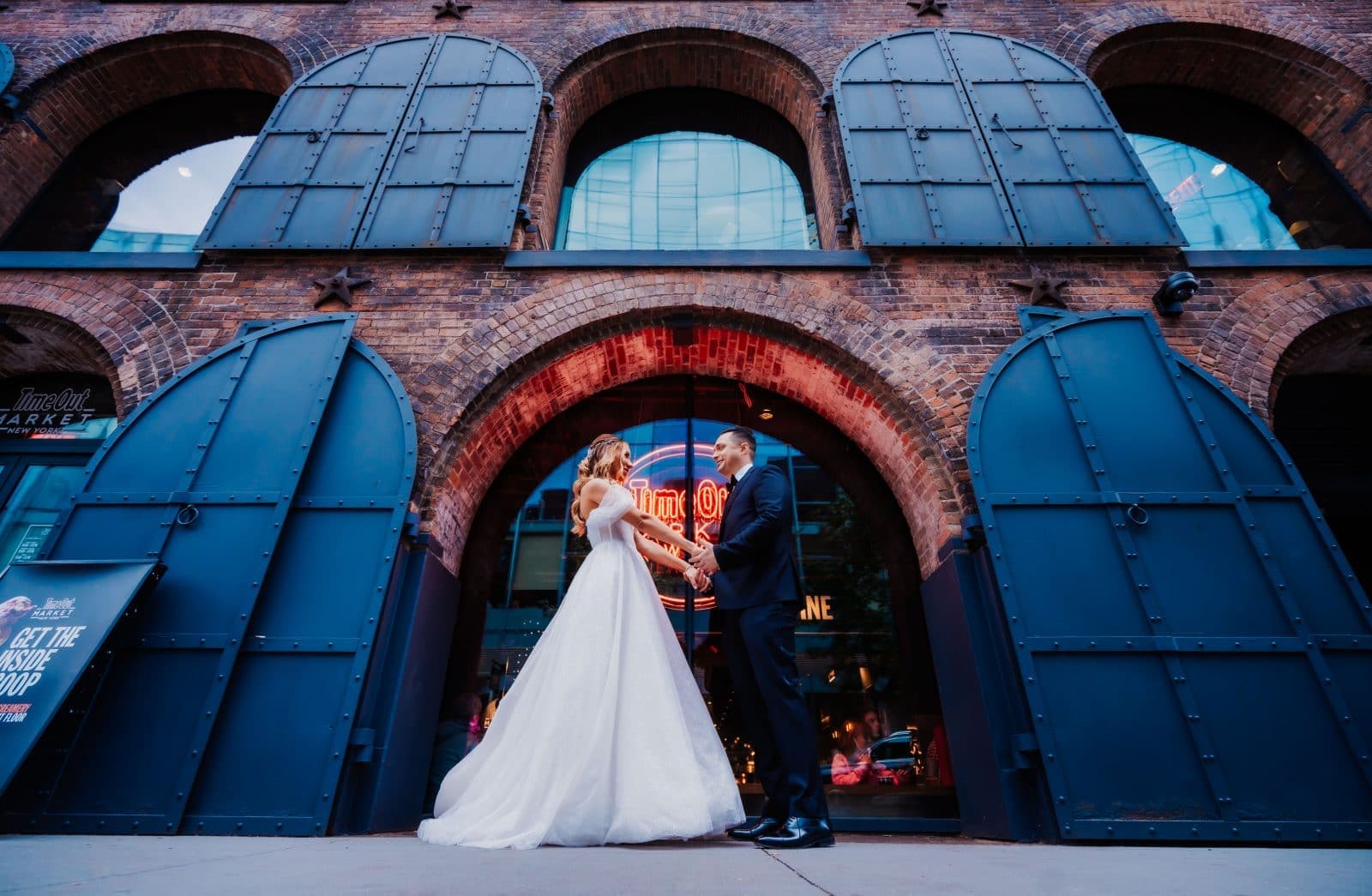
The photograph at the top of this note is Ester and Alon, standing in front of those big iron doors, holding each other's hands as if the street had gone quiet for a second. A day like that does not begin with a spreadsheet. It begins with someone writing to ask if you are available, and with a reply that treats that question as the start of the day, not as a request for a SKU.
If you already have a date in mind, tell me about the day. You can also call +1 718-288-2215 or write to info@kass.studio. I will write back as a person, not as a price list.
See how a wedding day works if you want the fuller picture first.
Continue
If you want to go further
The note is the lesson. The next step, if you want one, is a real conversation about a date.